A sound bath slows your body down by giving your attention one simple thing to hold: the tone of a bowl, the swell of a gong, the steady beat of a drum. When your mind stops chasing its own noise, your breathing lengthens, your shoulders drop, and your body shifts toward its rest state. The research supports relaxation and better mood. It doesn’t support medical claims, and I won’t make any.
The short version
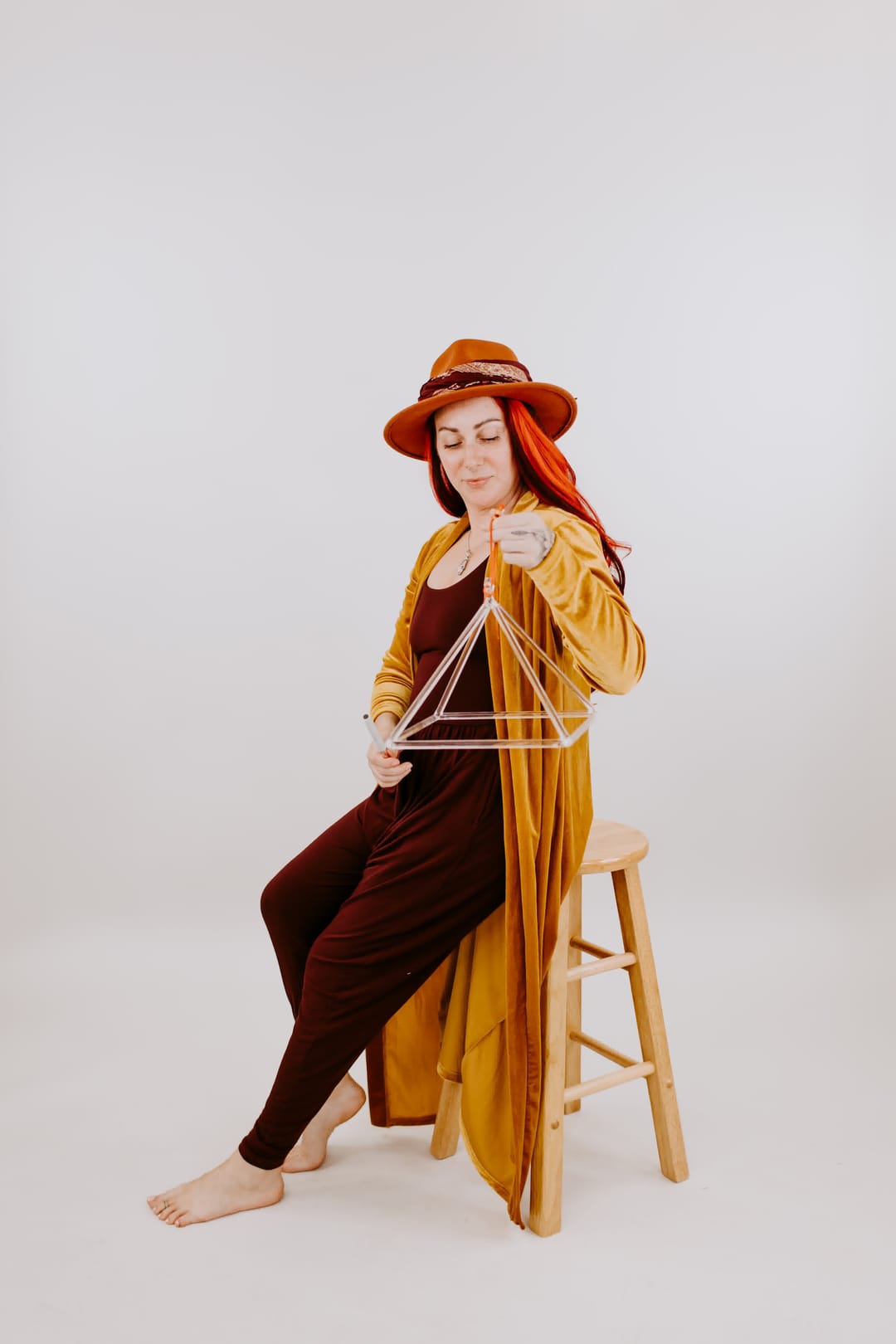
You lie down, fully clothed, under a blanket. I play drum, gong, Tibetan and crystal singing bowls, rattles and bells around you for 30 or 60 minutes. You don’t have to do anything. Most people drift within ten minutes and come back up feeling like they slept for hours.
That’s the whole practice. Everything else in this article is about why it works as well as it does, and what I can and can’t promise you.
What “nervous system reset” means in plain words
You’ll see “nervous system reset” on a lot of sound bath flyers. Here’s what it means without the gloss.
Your nervous system has two main gears. The sympathetic gear is for action: faster heart rate, shallow breath, muscles ready to go. The parasympathetic gear is for rest: slower heart rate, deeper breath, digestion switched back on. Both are normal. The problem is that most of us spend the day stuck in the first one and never fully drop into the second.
Relaxation practices are built to nudge you into that second gear. The NCCIH calls this the relaxation response, and it lists things like slower breathing, lower blood pressure and a calmer feeling as what people tend to notice. A sound meditation is one way in. The bowls don’t do anything magic to your nerves. They give your attention a place to sit, and when your attention settles, the rest of you follows.
Many people tell me they feel it in their jaw first. Then their hands. Then they stop noticing their body at all, which is usually the point where they fall asleep.
What the research says
I’d rather tell you what’s known than sell you what isn’t.
Cleveland Clinic describes sound baths as a form of meditation that can help with relaxation, stress and mood, and it notes that the studies so far are small. The NCCIH’s page on music and health says something similar: listening to music can lower anxiety and improve mood in a range of settings, and the evidence for anything beyond that is thin or still being tested.
So here’s my honest line. The research supports feeling calmer, sleeping better that night, and a lift in mood. It doesn’t support claims about healing organs, “retuning” your cells, or treating any condition. If someone tells you a bowl set to a certain frequency will fix your thyroid, they’re guessing. I’m not going to guess with your body.
What a session looks like
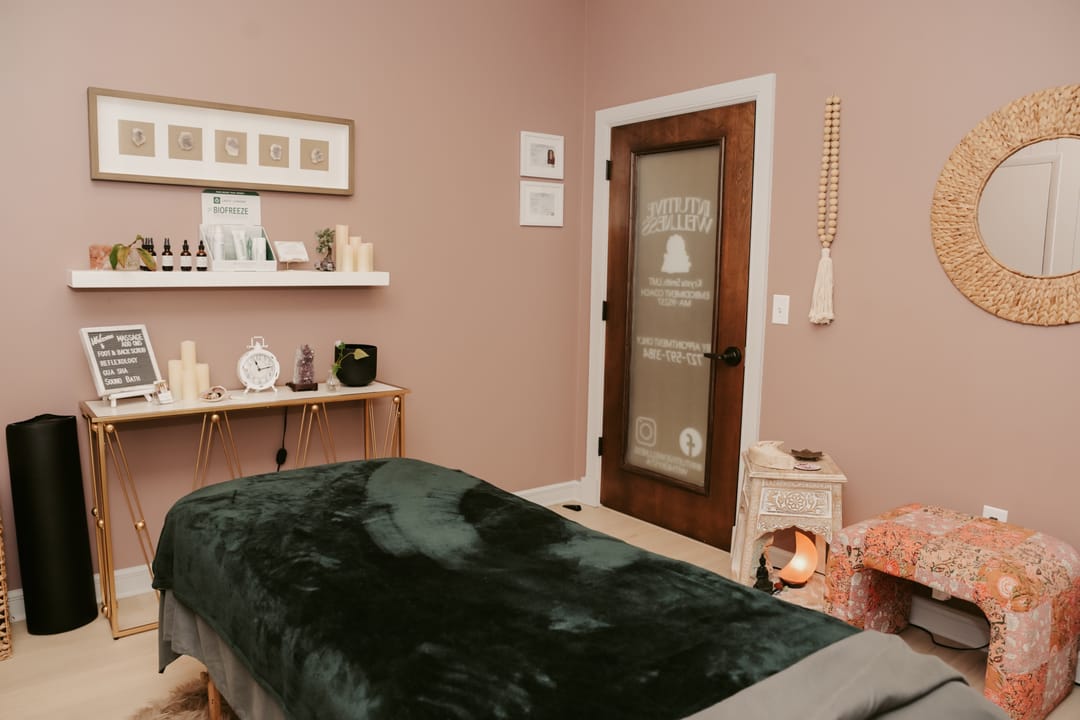
You can book a sound meditation for 30 or 60 minutes. Either way, it starts the same. You lie down on the mat or the table, I tuck a blanket around you and offer an eye pillow, and we take a few slow breaths together.
Then I start playing. I begin with the drum, low and steady, because a rhythm is the easiest thing for a busy mind to hold. From there I move through the bowls, the gong, the rattles and the chimes, walking around you so the sound comes from different sides. Nothing is fast. Nothing is loud enough to startle you.
If your mind is busy, that’s fine. It’s supposed to be. You don’t have to clear it or “get it right”. Just keep coming back to whatever sound is closest. Thirty minutes is enough to feel the shift. Sixty gives you time to drop past the fidgety part and stay down for a while, which is why most repeat clients end up choosing it. Both lengths are on the pricing page.
Sound inside other sessions
Sound isn’t only its own appointment. It runs through a lot of what I do.
In Chakra Balancing, bowls and chimes are part of the session from the start, alongside crystals, oils and affirmations. If you like the idea of sound but want touch as well, that’s the one to look at.
In Intuitive Massage, I sometimes bring in a bowl or a drum near the end, when your body is already quiet and the sound can carry you the rest of the way. It depends on the day and what you seem to need.
And you can add a 20-minute sound meditation to any massage. It’s a short, simple way to end a session without jumping straight back into your phone.
The Sound Lounge at Stillness
My studio sits inside Stillness & Aesthetics Co., and the suite has a Sound Lounge: a room built around sound and vibration, with a table that lets you feel the frequencies through your body as well as hear them. It’s used in the Resonance Ritual and The Stillness Ritual, which are short add-ons to any session with me. You can read about the lounge and the rituals on the Stillness page.
It’s a different thing from a live session. In the lounge, the sound is recorded and the vibration comes up through the table. In a live sound meditation, I’m in the room, reading how you’re breathing and adjusting what I play. Some people love one and not the other. Plenty do both: the lounge before a massage to settle in, a live session on its own when they want the full hour.
Questions people ask
Is a sound bath the same as sound healing?
Same practice, different marketing. I call it sound meditation because that’s what it is: meditation with something to listen to. The bowls and gong are the same either way.
What if I fall asleep?
Good. That’s your body taking what it needs. You’ll still hear the gong at the end, and I’ll bring you back up slowly.
Is it loud?
The gong and bowls can swell, but I keep it at a level that feels full, not sharp. Tell me if you’re sound-sensitive and I’ll adjust what I play and how close I stand.